


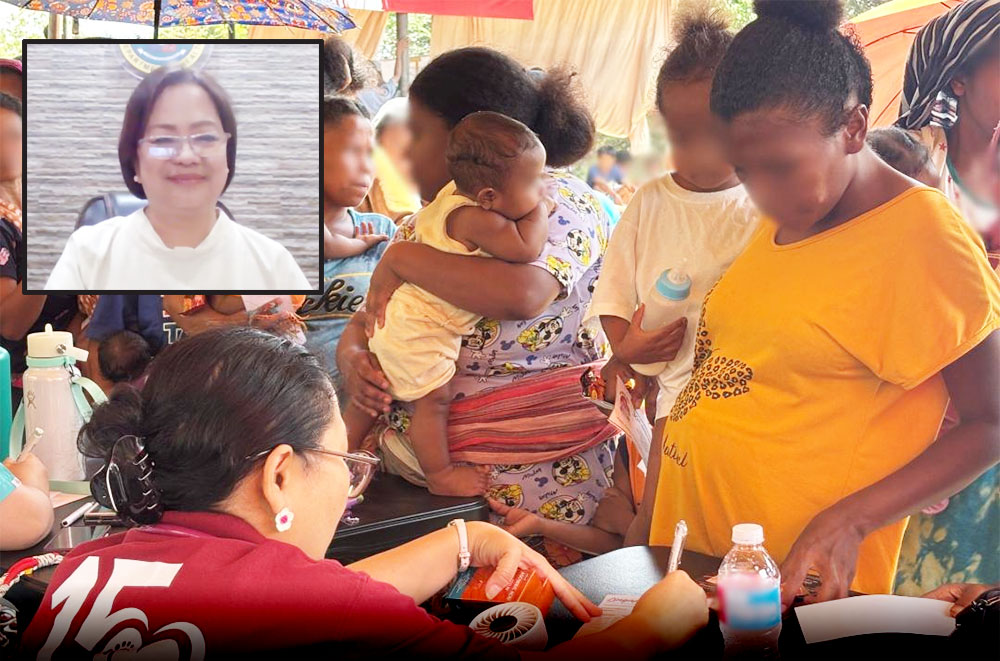
CITY OF SAN FERNANDO, Pampanga (PIA) — The Department of Health (DOH) Central Luzon Center for Health Development (CLCHD) has reached more than 200,000 residents through its Purok Kalusugan program, strengthening grassroots healthcare services across the region.
Anchored on President Ferdinand R. Marcos Jr.’s health agenda to bring essential healthcare closer to communities, Purok Kalusugan deploys teams composed of doctors, nurses, midwives, and barangay health workers to deliver primary health services directly to barangays, especially in areas where access to health facilities remains difficult due to distance, transportation costs, and mobility limitations.
“Ang nais natin ay maranasan ng bawat Pilipino na ramdam ang kalusugan kaya dinadala natin ang serbisyo mismo sa komunidad,” DOH Central Luzon Regional Director Corazon Flores said.
Services provided under the program include immunization, prenatal checkups, consultations, tuberculosis screening and treatment monitoring, blood pressure monitoring, diabetes screening, family planning, nutrition counseling, and health education activities.
The initiative particularly benefits pregnant women, children due for vaccination, senior citizens, and residents who are unable to regularly visit health centers.
“May mga nanay na hindi makapunta sa health center para sa prenatal checkup o bakuna ng kanilang anak. Kaya dinadala natin ang serbisyo sa kanila,” Flores said.
DOH data showed that 46 percent of barangays in Central Luzon have already been engaged under the program. Around 36,000 patients were also referred to higher-level health facilities for further evaluation and treatment.
Meanwhile, approximately 460,000 residents benefited from health education sessions focusing on preventive healthcare, proper nutrition, and healthy lifestyle practices.
The agency highlighted the vital role of local government units and barangay health workers in mobilizing communities and identifying residents needing immediate healthcare services.
“Malaki ang tulong ng barangay officials at barangay health workers sa paghahanda at pagmomobilisa ng komunidad,” the director said.
Despite the gains, DOH acknowledged challenges such as shortages of health workers, limited volunteers, and mobility constraints in remote communities.
“Malaki pa rin ang kakulangan sa health workers kaya mahalaga ang suporta ng komunidad,” the official said.
Meanwhile, Flores stressed that preventive healthcare and early consultation remain vital in reducing complications from hypertension, diabetes, cardiovascular diseases, and infectious illnesses which are prevalent diseases in Central Luzon.
“Napakahalaga ng early consultation para maiwasan ang stroke at iba pang komplikasyon,” she stressed. (Marie Joy S. Carbungco )