


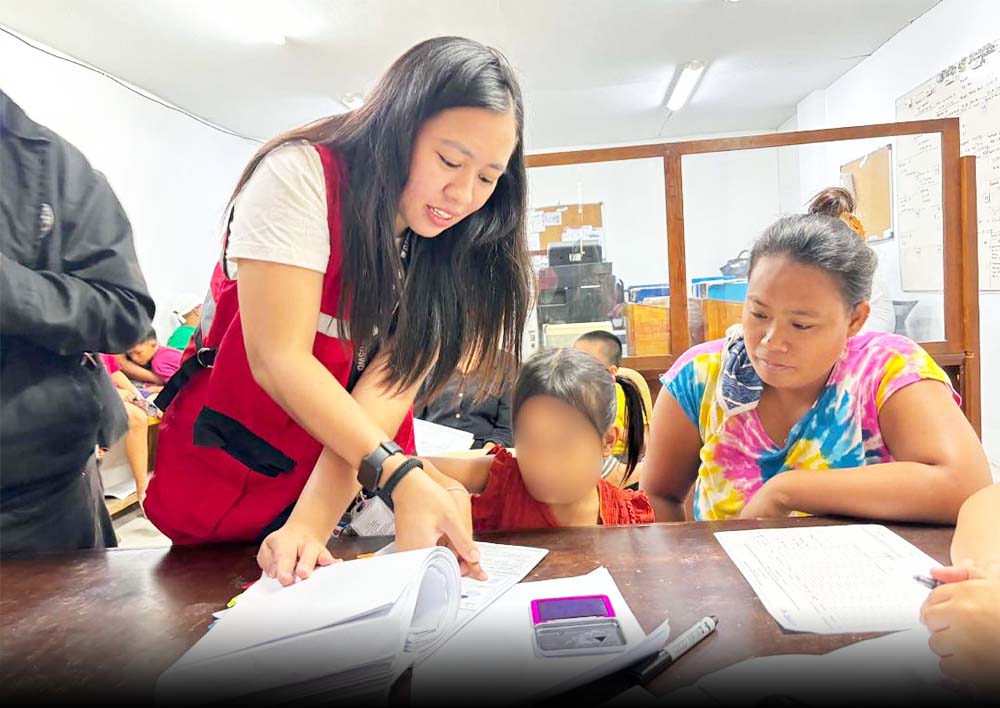
CITY OF SAN FERNANDO, Pampanga (PIA) — The Department of Social Welfare and Development (DSWD) is strengthening its Pag-abot Program in Central Luzon, providing sustained interventions to help individuals and families living on the streets transition to safer and more stable living conditions.
Designed to address the risks faced by vulnerable sectors, the program targets children, families, and individuals in street situations who are exposed to hazards such as exploitation, health risks, and lack of access to basic services.
“Ang layunin ng Pag-abot Program ay mailayo sila sa panganib ng lansangan at matulungan silang makapagsimula muli,” DSWD Regional Director Venus Rebuldela said.
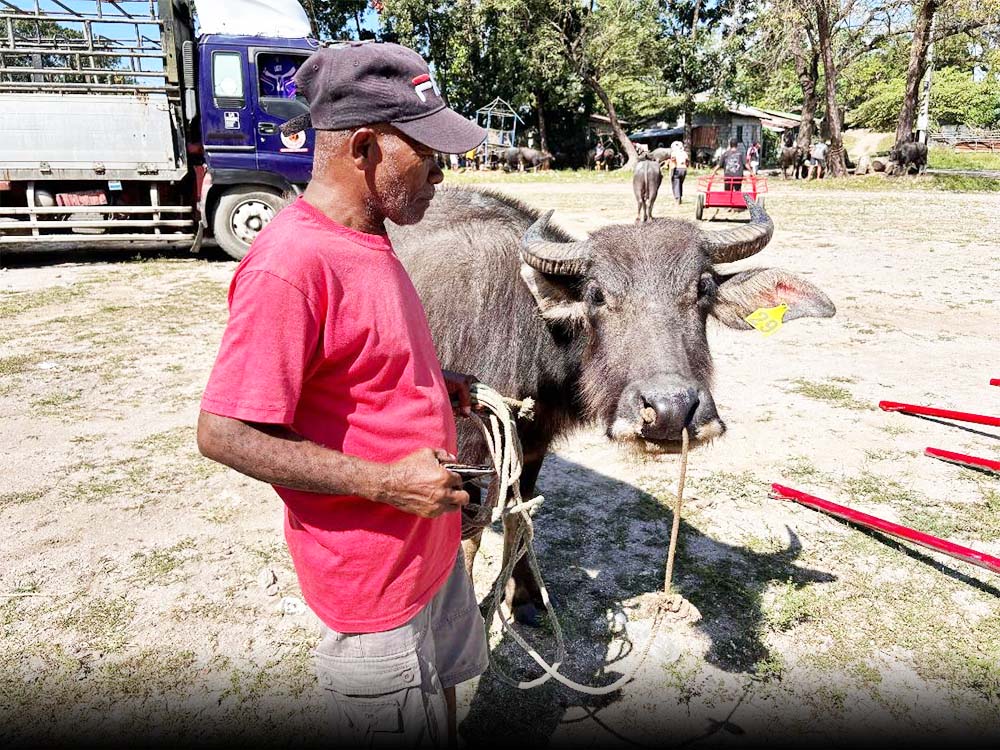
As of March 2026, the program has already reached 1,383 individuals across the region. Beneficiaries are initially provided with P10,000 financial assistance to address immediate needs, followed by a more comprehensive package of support, including livelihood assistance up to ?100,000.
Unlike previous seasonal efforts such as the ‘Sagip Katutubo’, which were conducted only during Christmas season, the Pag-abot Program is now implemented year-round, with social workers regularly conducting outreach operations to identify and assist those at risk.
“Hindi lamang ito rescue. May social preparation, profiling, at tuluy-tuloy na monitoring upang matiyak na ang tulong ay akma sa kanilang pangangailangan,” Rebuldela explained.
Beneficiaries undergo psychosocial interventions, counseling, and family development sessions to prepare them for reintegration into their communities.
Even after returning home, the DSWD ensures that beneficiaries continue to receive support through regular monitoring visits to assess their progress and provide additional support when needed.
Among those assisted are members of indigenous communities who have been provided with livelihood support such as sari-sari stores and livestock, enabling them to sustain their daily needs and provide for their families.
“Hindi po [ito] natatapos sa pagbibigay ng tulong. Patuloy po ang ating monitoring upang masigurong hindi na sila babalik sa lansangan,” Rebuldela noted.
While formal impact assessments are still ongoing, DSWD considers the program, effective when beneficiaries remain off the streets and are able to maintain safer, more stable lives.
“Kapag hindi na sila bumalik sa lansangan, isa na iyong malinaw na indikasyon na nakatulong ang programa,” the director said.
She likewise stressed that protecting vulnerable families, especially children, remains a priority of the agency as it continues to expand the reach of the program in coordination with local government units and partner agencies. (Marie Joy S. Carbungco)